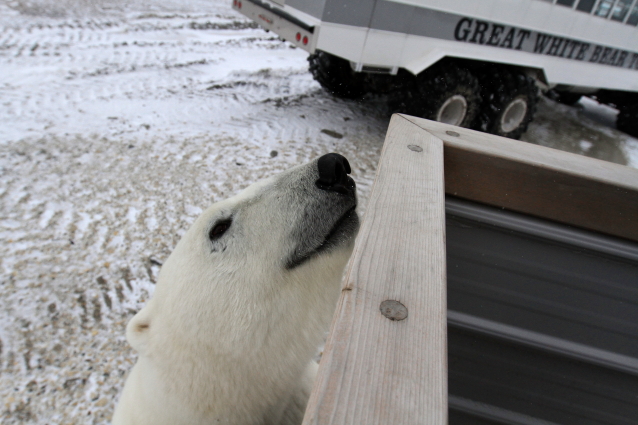
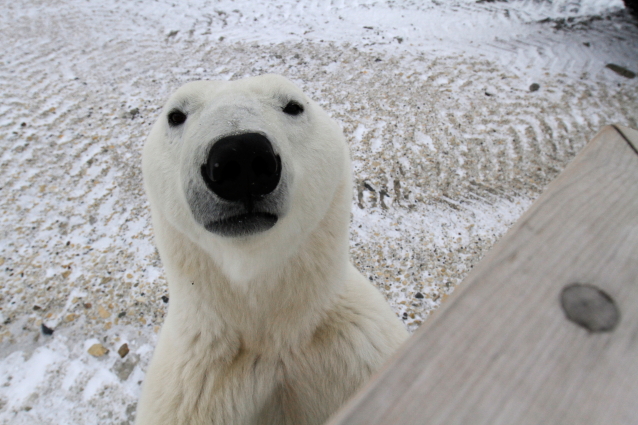
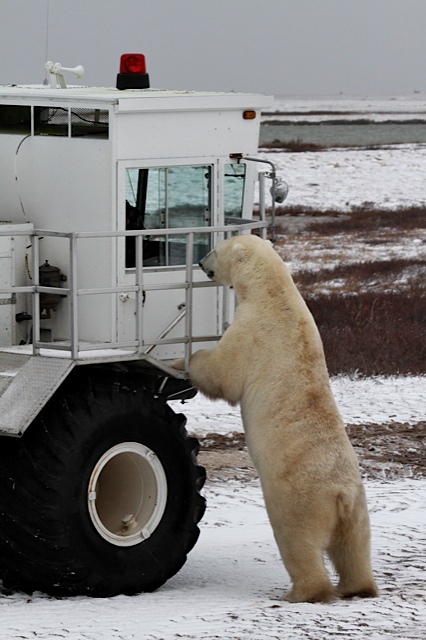
Polar Rovers are a safe way to get up close with the polar bears of Churchill. Bears are attracted by various scents from the machines as well as travelers. In a land where food is the driving force or polar bears at this time of year, polar bears are keenly attuned in to any smells out of the ordinary. Enjoy these close encounters!
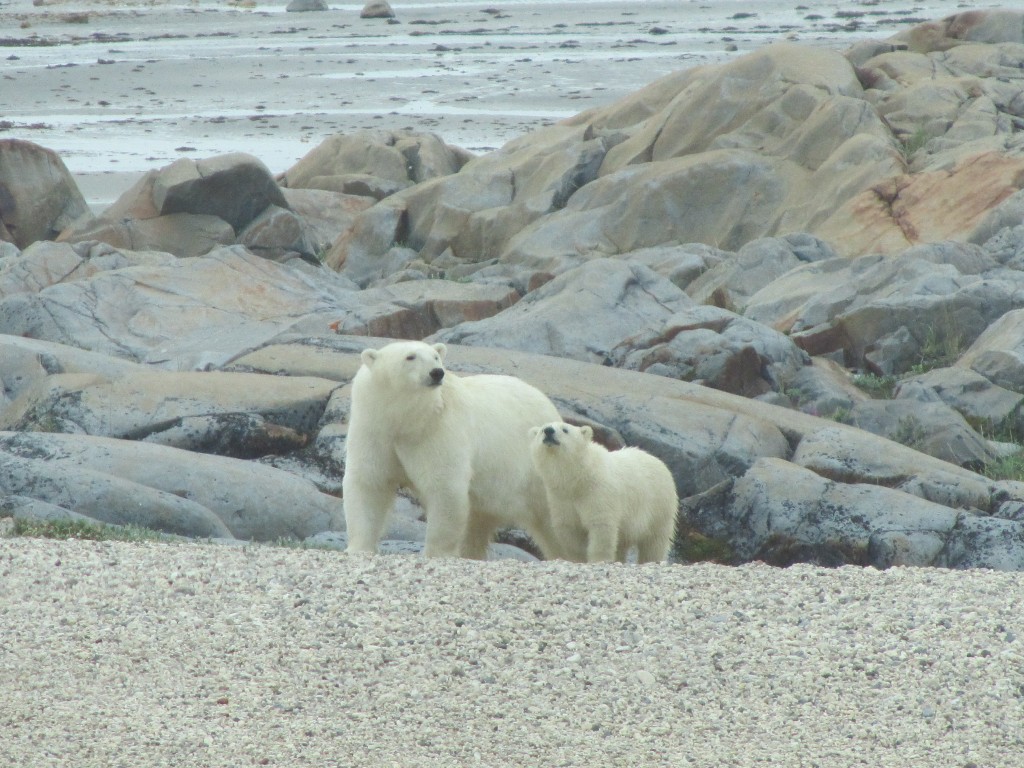
Curious polar bear and curious onlookers. Natural Habitat Adventures photo.
A polar bear in Churchill sniffs travelers on a polar rover. Natural habitat Adventures photo.
Sniffing around the Polar Rover. Natural Habitat Adventures photo.
Polar bear posing for a snapshot. Natural Habitat Adventures photo.
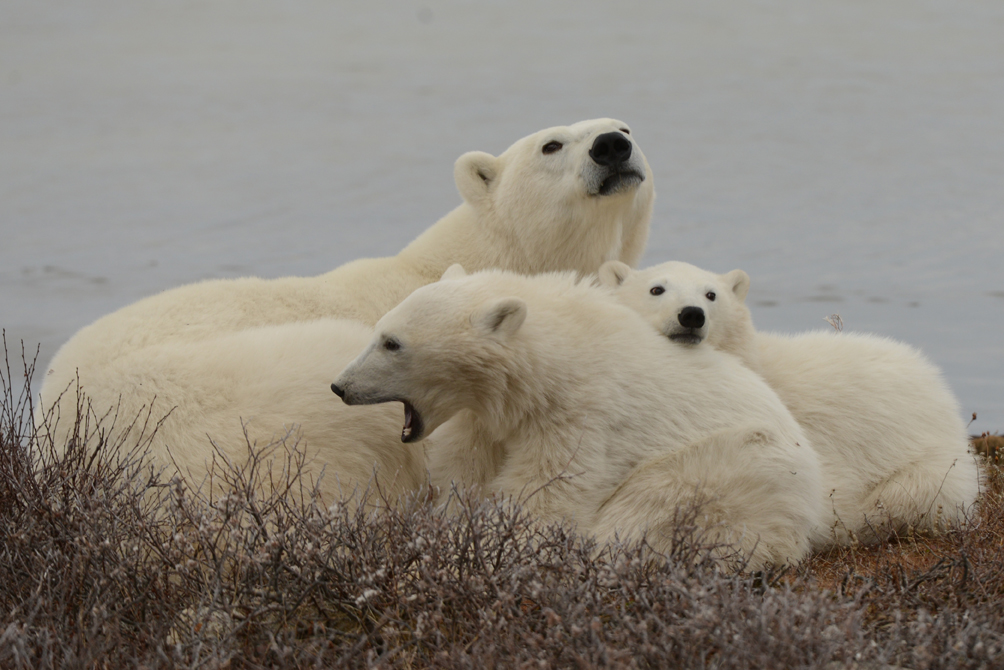
Curious polar bear detects a scent. Natural Habitat Adventures photo.
Today, in honor of my son Jack’s last day of fourth grade, churchillpolarbears.org is having fan photo Friday! We encourage you to submit any of your favorite Churchill or Arctic photographs to our Churchill Polar Bears Facebook page and they will be published in our blog at churchillpolarbears.org. Please include a brief description of the photo along with any other story you would like to tell about your amazing experience. Thanks to all for contributing and sharing your love of Churchill and the north!
With the Churchill Arctic Summer season coming quickly, we thought we would present a video preview of the possibility of seeing polar bears in Churchill during the summer. This footage by local Churchillian Joe Stover was filmed last August. A mother polar bear with her two cubs walking along a road about 20 kilometers outside town is a somewhat rare sight though not uncommon if you happen to be in the right place at the right time. Summer is a paradox regarding polar bears. The “right place at the right time” can easily turn into the “wrong place at the wrong time” if one is unprepared or complacent in wandering the area without a guide or bear protection. This is true especially along the beaches where bears can easily conceal themselves in the undulating Precambrian shield. Summer in many aspects can be more dangerous than fall polar bear season as it’s common and easy to let one’s guard down. Being aware and not wandering too afar without protection or a vehicle will ensure staying safe.
Seals, particularly ringed and bearded seals, don’t care too much about the polar bear’s plight of reduced sea ice. True, seals need the ice – pack and ice – floes to build their dens to birth and raise their young. However, they would not mind one bit if there were no polar bears around to stalk them in their blowholes and crash through their dens on the ice in order to devour their young and occasionally adults as well. No, as far as seals think, polar bears could disappear all-together and they wouldn’t have to keep one eye open constantly while they are dozing on the ice in between dives below the surface.
What seals don’t know is they also need to worry about global warming and reduced sea ice in the Hudson Bay and other far northern Arctic regions. Without the ice surface there would be nowhere to build their dens and rear their young near accessible food sources in the ocean. Well, who knows, maybe they do know this and we’re not giving them enough credit. Anyway, the end result is, without sea ice, polar bears cannot hunt their staple prey of seals and seals cannot rear their young pups that are eaten by polar bears. The complex web of life.
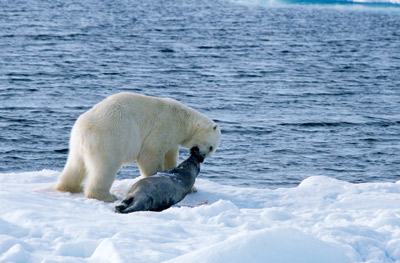
Polar bear with a seal kill. Rinie Van Meurs photo.
Polar bears also take adult seals by getting the scent from a distant blowhole utilized by seals to surface periodically. Seals form these access holes in the fall when the ice is softer and less thick. They maintain them throughout the colder months by constantly surfacing and descending in order to prevent ice layers from forming in the hole. Polar bears get very low as they approach the hole and sometimes even dive in to snatch the seal with their sharp, agile claws. When a bear emerges with the kill, they will often share with other polar bears that approach very timidly while nudging the hunter with their noses asking in a way to partake in the meal.
Polar bears gather to feed on a beached whale carcass. Daniel Cox/Natural Exposures photo.
Polar bears are opportunists. In essence they have the ability to find alternative food sources when needed if seals are unavailable. In recent years polar bears have been observed seemingly more active on land or in shallow coastal water hunting seals and beluga or other whales. Scientists wonder if this is a reaction to the shorter sea – ice season. Are polar bears adapting to changing climate conditions?
Only time will tell with regards to the polar bear’s ability to adapt to changing climate and ice conditions resulting from global warming. Seals will have to adapt as well in order to survive and propagate their species. Also, just maybe humans, the wildcard in the equation, can reduce carbon emissions to reverse the trends we are seeing now in the Arctic!
If you take an adventure to Churchill in the near future there are some “must see” attractions you should take in before you leave the frontier town. Of course some are season specific while some are year round accessible.
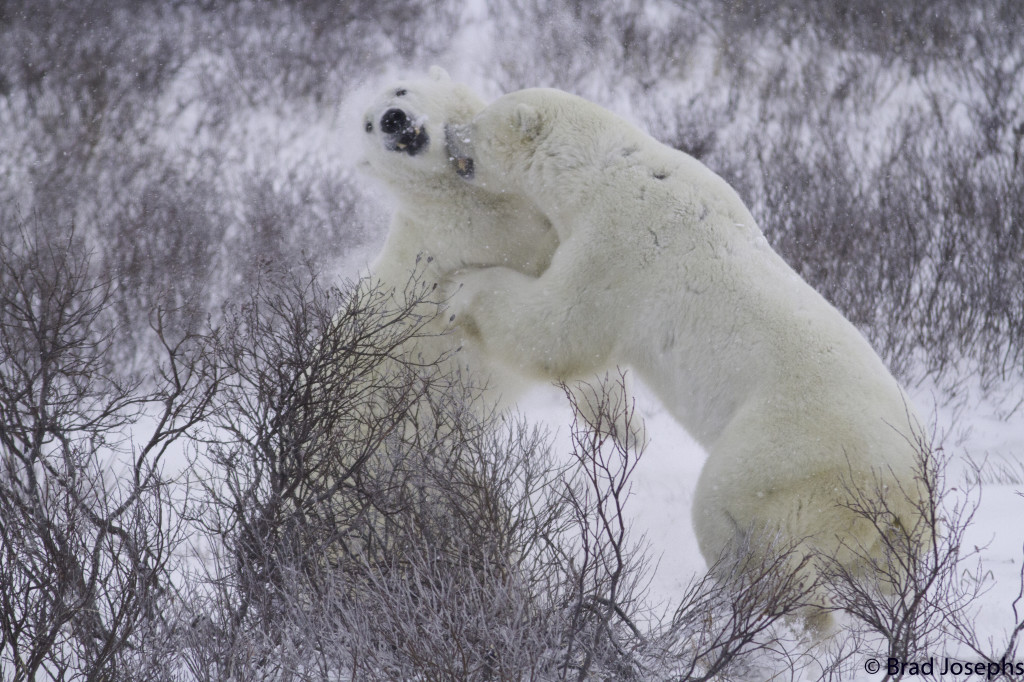
1.- Polar Bears: Not many people are unaware that Churchill is the polar bear mecca for viewing the “king of the Arctic”. During October and November the town is filled with high numbers of travelers hoping to see these amazing creatures in the wild. Of course summer also holds the potential for sighting fewer numbers of polar bears but still the chance exists. If you come during the winter to perhaps view northern lights, you will not see any as they are hunting seals on the Hudson bay ice. So plan a trip during the optimal window and come see the polar bears of Churchill!
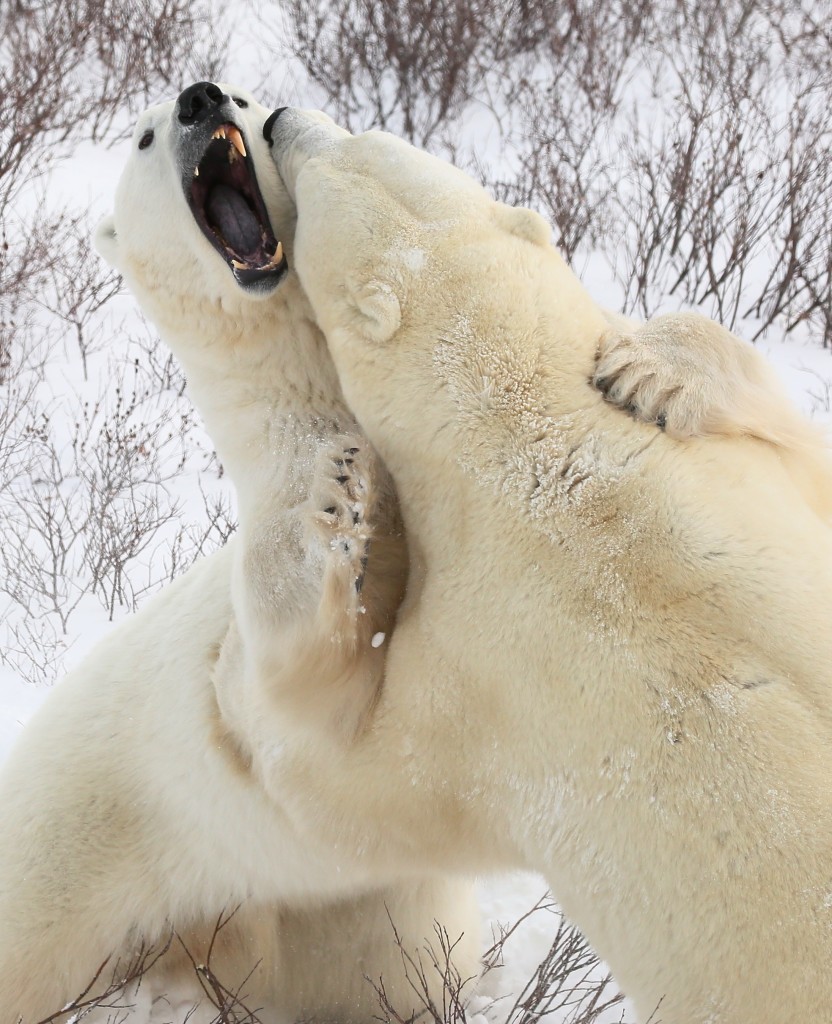
Polar bears sparring in the Churchill wildlife management Area. Natural Habitat Adventures photo.
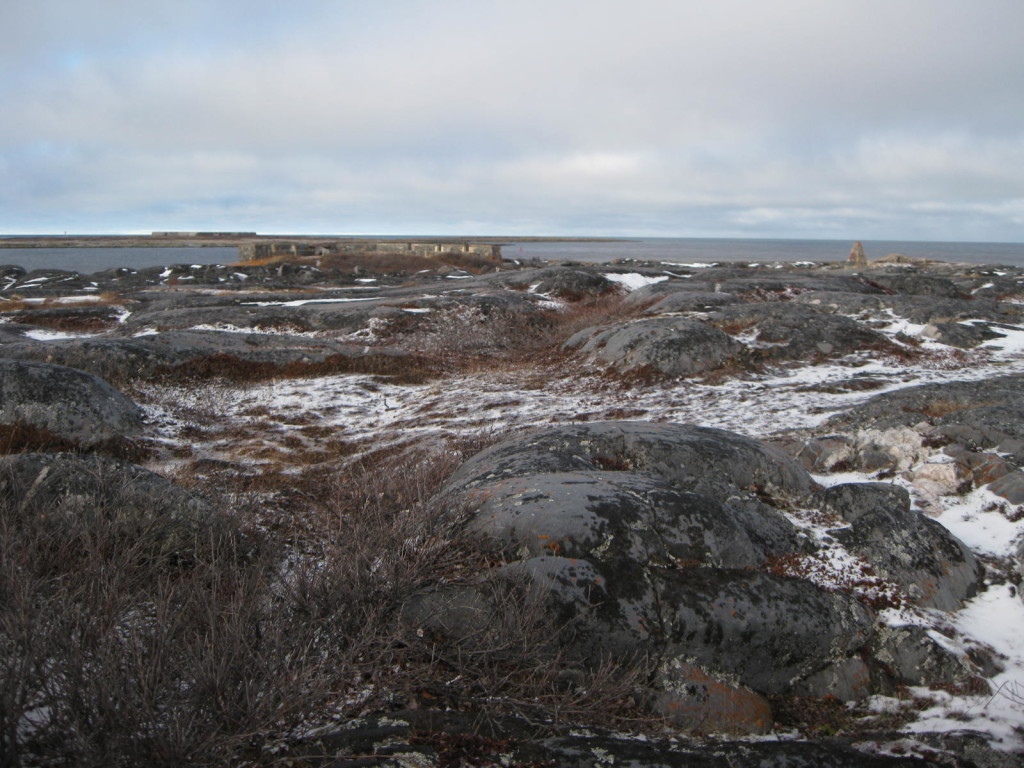
2. Precambrian Shield: When in Churchill you will notice the rocky coastline and glacial polished rocks jutting out of the tundra in different areas of the surrounding area. You really will need to get out on the Precambrian shield and feel the energy that emanates from the heavy stone embedded in the Earth. The geological features are wondrous and magnificent and are some of the oldest rocks on the planet. You can easily become immersed in the natural history of the formations and see how the landscape adapts to their shape and movement.
A view across the Cape Merry barrens past the battery and to Fort prince of Wales. Natural Habitat Adventures photo.
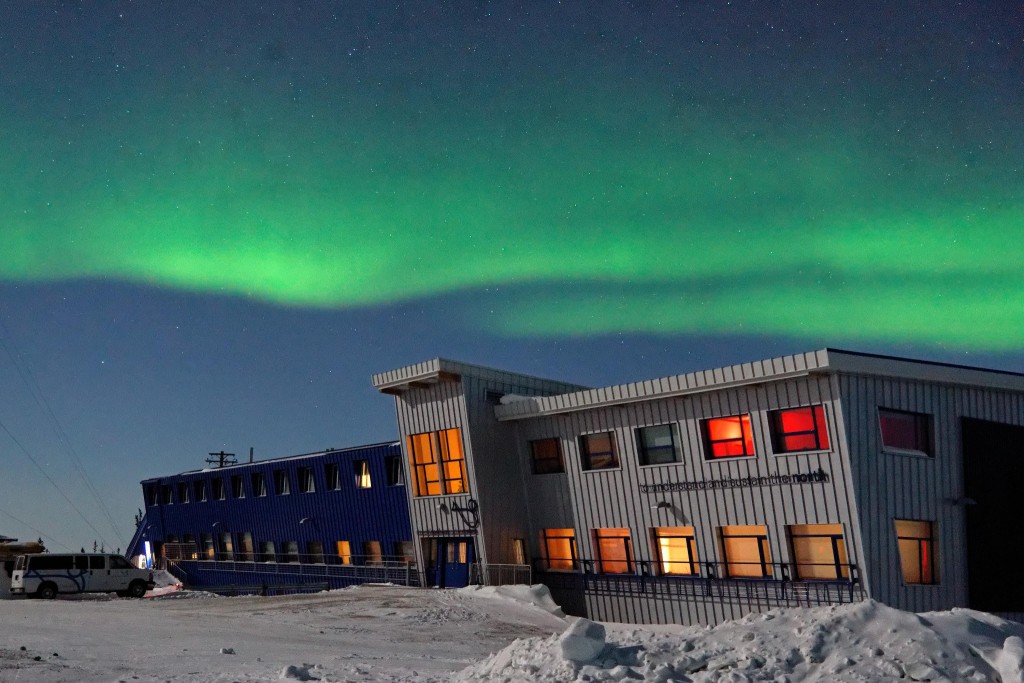
3. Churchill Northern Studies Center and surrounding area: At the far reaches of the main road out of Churchill heading east lies the old Fort Churchill Rocket Range. These grounds are now occupied by the new and improved Churchill Northern Studies Center. The center is a bastion for Arctic researchers and travelers to live and learn from the incredible diversity of the ecosystems colliding in one place. A tour of the facility and exploring the lakes and patterned ground in the area via trails is a must for getting a feel for the true sub-Arctic biome.
Churchill Northern Studies Center. CNSC photo.
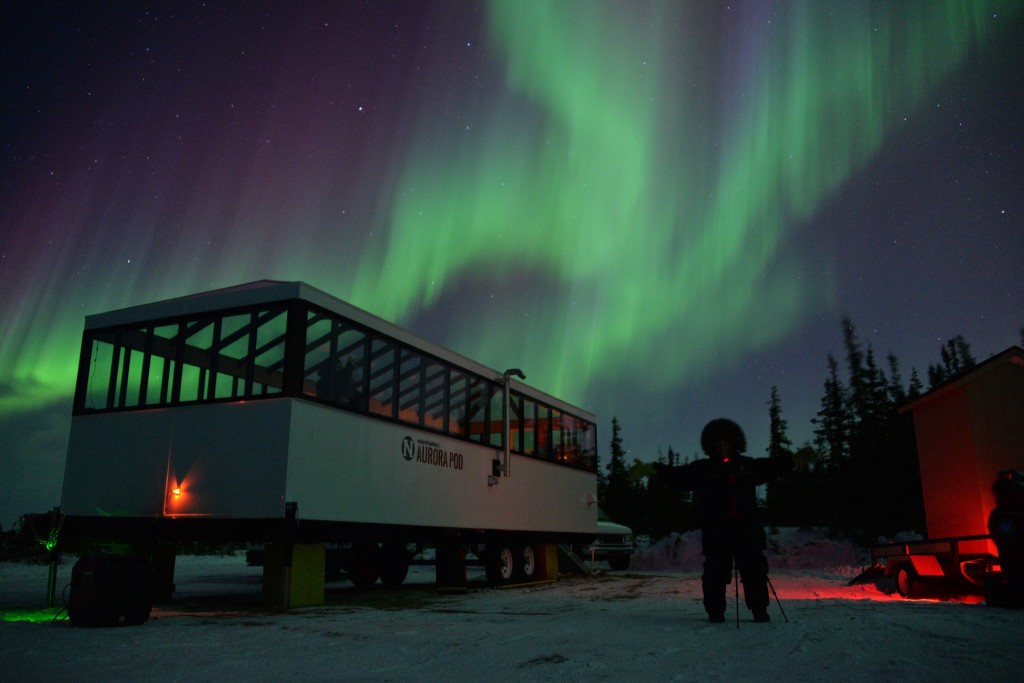
4. Northern Lights: Another fairly obvious “must see” in Churchill. Located under Van Allens belt in the magnetic field of our atmosphere, Churchill is an optimal location to take in these mystical and scintillating lights. Natural Habitat Adventures has a new option to view the aurora; an Aurora Pod. With other various viewing options available as well, this is an absolute must see in Churchill.
Natural Habitat’s Aurora Pod and an avid photographer. Alex de Vries – Magnifico photo.
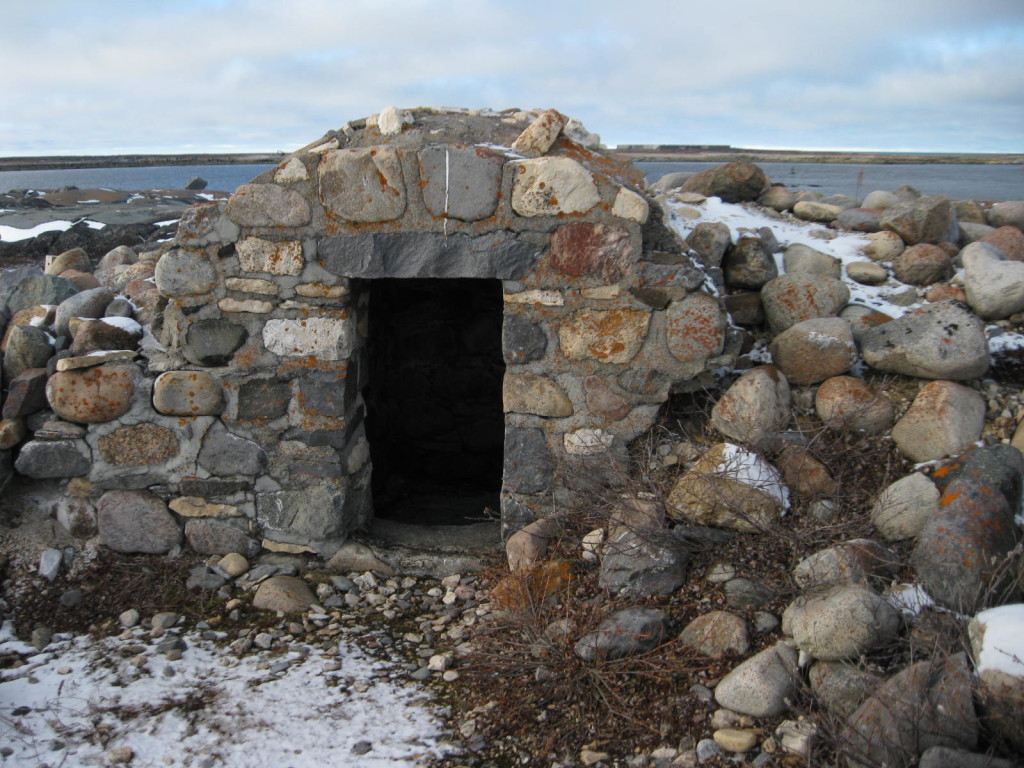
5. -Cape Merry: This is probably the most beautiful and peaceful spot around Churchill. When guiding Churchill Arctic summer groups I would always bring the group there first as a relaxing orientation to the region. We would spend hours looking for flowers and studying the geology of the area. Fort Prince of Wales is just across the Churchill River (often teeming with beluga whales in summer) and the vast expanse of the Hudson Bay unveils itself as far as the eye can see.
Ammunition cache at Cape Merry for cannon protection of Fort prince of Wales. Karen Walker photo.